
POSH awareness training in Bhubaneswar should help employees understand respectful workplace conduct, recognise relevant concerns and find the correct reporting route. Managers need to understand their response responsibilities and confidentiality boundaries. Awareness is one part of employer duties under India’s workplace sexual harassment law; a training session alone does not establish full compliance.
Consider an illustrative office discussion. An employee says repeated personal comments in a work chat are making them uncomfortable. A colleague dismisses the comments as harmless jokes. The manager suggests that the employee speak privately to the person and keep the team out of it.
The situation shows why awareness needs practical application. Employees may remember a legal definition but remain unsure what to do when hierarchy, group norms and personal discomfort intersect. A useful programme makes the reporting route and expected conduct understandable before such a conversation occurs.
Start with the legal framework and the organisation’s actual arrangements
India’s Sexual Harassment of Women at Workplace Act, 2013 establishes protections and employer responsibilities. Section 19(c) requires workshops and awareness programmes at regular intervals and orientation for committee members. The wording should not be simplified into an unsupported universal claim that one annual session completes the duty.
Before scheduling awareness, HR should verify the organisation’s policy, reporting contacts and relevant committee arrangements. Training materials should reflect those details accurately. If the information is incomplete, resolve it through appropriate organisational and legal channels.
This article provides general awareness planning, not advice on deciding a particular complaint. Detailed application of the law should be checked with an appropriately qualified adviser.
POSH awareness training in Bhubaneswar should make respectful workplace conduct, employee responsibilities and the organisation’s approved reporting information easy to understand. Use fictional examples, explain manager boundaries and check that employees know where to find the current policy without asking them to disclose personal experiences.
Explain conduct through recognisable situations
Employees need more than a list of prohibited behaviours. Use fictional situations involving repeated personal remarks, unwelcome messages, inappropriate content or pressure linked to a reporting relationship. Explain that context and the applicable process matter.
Do not ask participants to decide whether a real colleague is guilty. A learning activity should help people identify a concern and the next appropriate step, while formal assessment belongs to the authorised process.
For offices around Infocity or Patia, digital communication can provide relevant examples. For an organisation in Nayapalli or Sahid Nagar, the same principle applies to meetings, customer interactions and work-related events. These locations illustrate possible settings; they do not imply findings about any employer.
Use accessible language and allow participants to ask questions without describing personal incidents publicly.A well-planned POSH awareness training programme in Bhubaneswar should also consider different employee roles, workplace environments and communication practices.
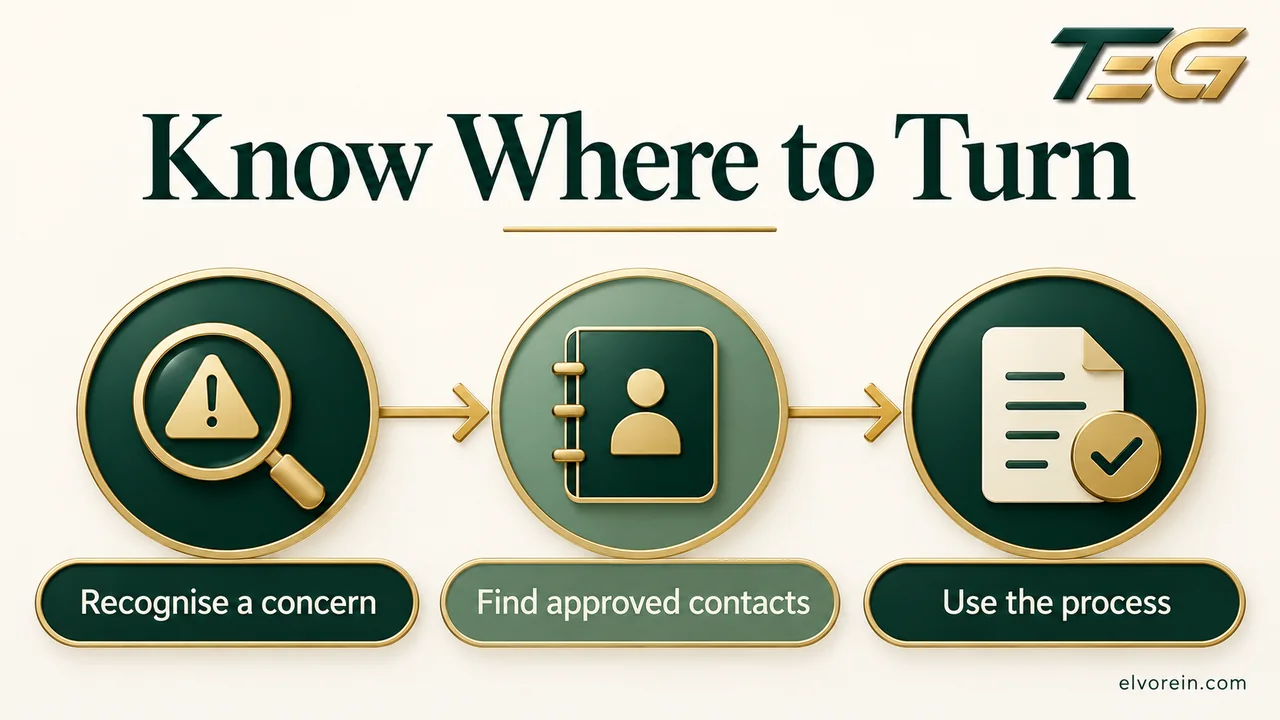
Make the reporting route easy to locate
An employee should be able to find the current policy, relevant contacts and a clear explanation of where to raise a concern. HR should check whether that information is available to new joiners and people who do not routinely access the company intranet.
During the session, show where the organisation keeps its approved information. Use a navigation exercise or fictional question rather than asking whether everyone has read the policy. Understanding can be tested more reliably through a practical task.
Avoid promising a particular outcome or absolute confidentiality. Explain the applicable confidentiality requirements and the need to share information through authorised channels when the process requires it.
The aim is informed access. Employees should not have to rely on a manager’s personal interpretation to discover that a reporting mechanism exists.
Prepare managers for the first response
A manager may be the first person an employee approaches, even when a formal reporting route exists. Practise listening respectfully, avoiding blame and directing the person to the appropriate process.
Managers should not demand that the employee confront the other person, promise that nothing will happen or conduct an improvised investigation. They should follow the organisation’s applicable procedures and seek appropriate guidance about their responsibilities.
Use a role-play in which the employee is uncertain how to describe the situation. The manager’s task is to respond without minimising the concern or reaching a premature conclusion.Practical POSH awareness training in Bhubaneswar can help managers develop these essential first-response skills through realistic workplace examples and guided role-play activities.
Also practise a situation involving a senior colleague. The reporting relationship should not become a reason to discourage access to the process. Employees need to see that the organisation takes concerns seriously and handles them fairly.

Include work chats and events without inventing legal shortcuts
Digital messages, travel, customer settings and work-related gatherings can raise questions about workplace conduct. Use these examples to explain respectful boundaries and where employees can obtain policy guidance.
Avoid statements that every off-site disagreement automatically falls under the Act, or that anything outside the office is automatically excluded. The statutory definition and the facts matter. Refer detailed questions to the appropriate process or adviser.
For a fictional team celebration near DLF Cybercity, the learning question might be how to respond to unwelcome personal messaging afterwards. Participants should identify the concern, preserve appropriate information according to policy and locate the reporting route.
The exercise should not become an informal trial or encourage circulation of messages among colleagues.
Protect confidentiality in the learning environment
Section 16 of the Act restricts communication or publication of specified complaint-related information. A training session should therefore use fictional, non-identifying examples rather than retelling an internal case for educational effect.
Do not ask employees to share screenshots from active matters, name people or speculate about an outcome. If a participant raises a personal concern, the facilitator should move the discussion toward the appropriate private organisational route.
Recordings, attendance records and feedback forms also need considered handling. Tell participants what is being collected and why. A programme can evaluate understanding without asking for sensitive complaint information.
Confidentiality should support a fair process. It should not be framed as a reason for employees to remain unaware of their rights or reporting options.

Distinguish employee awareness from committee capability
General employee sensitisation and committee orientation serve different purposes. Employees need accessible information about conduct and reporting. Committee members need preparation appropriate to their statutory responsibilities and the applicable rules.
When discussing a provider, ask exactly what the proposed programme covers. Do not assume an employee workshop includes committee training, legal advice, external membership or complaint inquiry support.
The Elvorein Group publicly lists POSH & Workplace Awareness as an awareness and sensitisation service. Confirm any additional requirements separately rather than inferring specialist legal services from the service title.
This distinction helps HR procure the right support and prevents an attendance certificate from being mistaken for a complete compliance assessment.
Review understanding and organisational follow-through
Regular POSH awareness training in Bhubaneswar helps organisations reinforce workplace conduct expectations and review whether employees understand the available reporting mechanisms.Use short fictional questions: where would an employee find the reporting details, what should a manager do first, and what information should not be discussed publicly? Review answers without collecting personal disclosures.
Check whether policy contacts remain current and whether induction includes the approved information. Agree a plan for ongoing awareness at regular intervals, reflecting the organisation’s needs and applicable requirements.
Do not treat a low complaint count as proof of a safe workplace. It may have several explanations. Evaluate access, understanding and process integrity instead of seeking a simplistic number.
Organisations planning POSH awareness training in Bhubaneswar can contact Elvorein to discuss participant groups, workplace awareness needs and programme requirements. Bring approved policy details and clarify the scope before scheduling delivery.
POSH awareness training: a practical review checklist
- Define the situation participants need to handle.
- Use a relevant, non-identifying work or learning example.
- Agree the behaviour or decision that should improve.
- Confirm who will support application afterwards.
- Review evidence and revise the next step.
Frequently asked questions
Is one POSH training session enough for compliance?
No. Awareness is one part of employer responsibilities. Section 19(c) refers to programmes at regular intervals and committee orientation. Employers should assess the full set of applicable duties and obtain appropriate advice about their arrangements.
Can employees discuss actual complaints during a workshop?
Use fictional, non-identifying scenarios instead. Complaint-related information is subject to legal confidentiality requirements. A participant who needs to raise a personal concern should be directed to the appropriate organisational route rather than encouraged to describe it publicly.
Should managers investigate a concern immediately themselves?
Managers should follow the organisation’s approved process and seek guidance about their role. They should listen respectfully, avoid premature conclusions and help the employee access the appropriate route. An improvised inquiry can undermine fairness and confidentiality.
Does a POSH awareness certificate prove an organisation is compliant?
It documents participation or completion only to the extent stated. It does not independently establish that policies, committees, reporting routes and all other duties are correctly implemented. Evaluate those arrangements separately through appropriate review.
Can Elvorein provide legal representation or statutory inquiry services?
Those services are not established by the public awareness description used for this article. Discuss the exact requirement and verify provider qualifications and scope. Do not assume an awareness programme includes legal advice, external membership or inquiry support.
Related reading: Respectful Workplace Training in Odisha: Small-Team Guide.
